
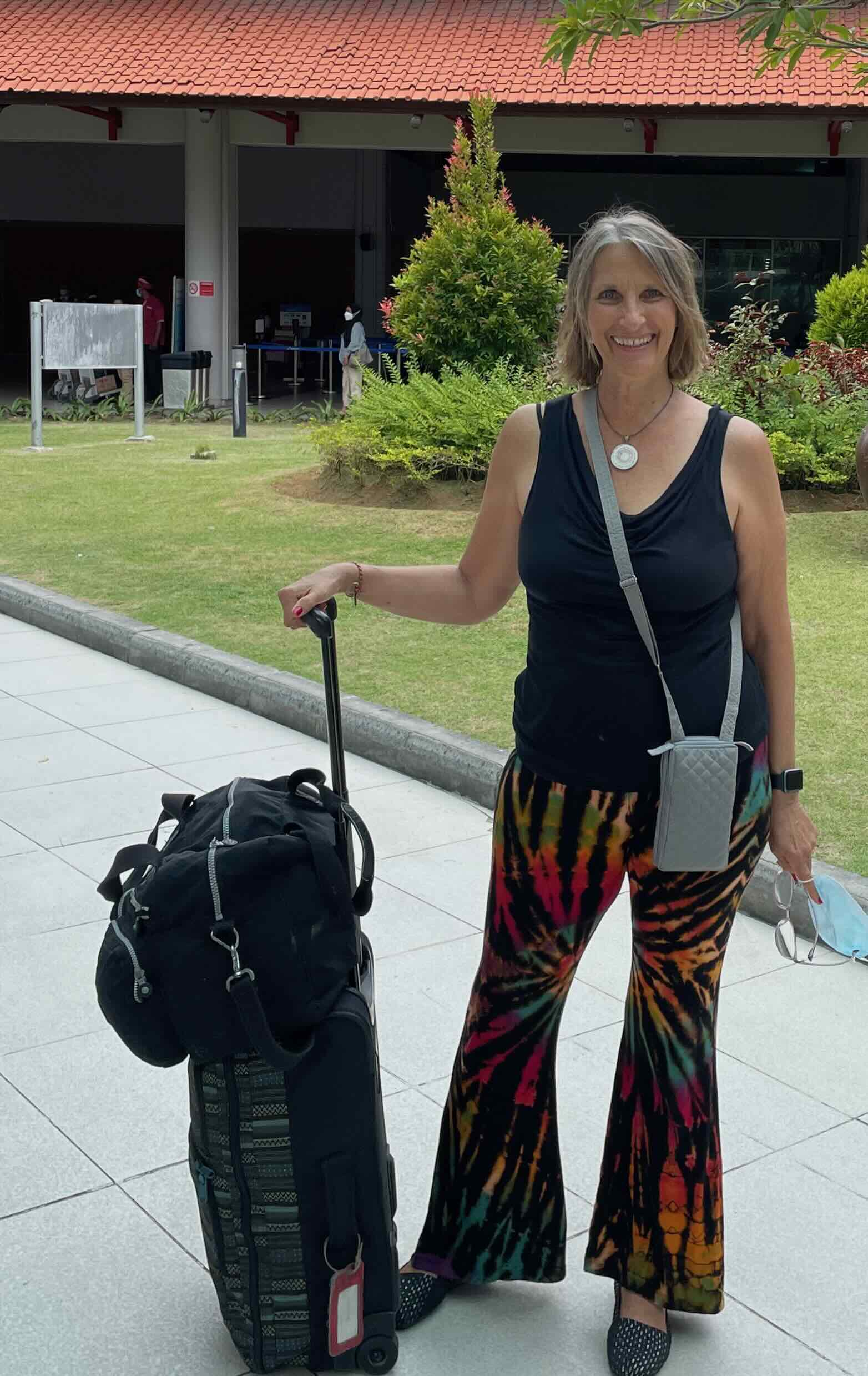
Moving abroad sounds like a dream until you hit the first question: where do I even start? In this episode, Rita and I talk with Julie Greene, a solo traveler who took a lifelong feeling of “I never wanted to go home” and turned it into a real move to Bali, Indonesia. Her story is a practical guide for anyone wondering how to retire overseas, try a seasonal move abroad, or test-drive the expat life without getting buried. Julie’s path started after a divorce, with a clear window of freedom (and responsibility), and it points to something I believe about long-term travel: there’s no single right way to live internationally. There’s only the way that fits your values, your budget, and how much uncertainty you can stomach. (My own tolerance for uncertainty tops out somewhere around a delayed connection.)
Julie picked Bali for reasons that are more repeatable than you’d think. A cheap round-trip flight, a welcoming culture, and a cost of living that made experimenting affordable turned a one-month stay into a home base. She explained why a home base matters to a lot of expats. It cuts down on decision fatigue, makes friendships easier, and keeps your travel sustainable when you’re staying for months instead of days. She also told us what it was like to be in Bali during COVID, when tourism shut down, prices dropped, and daily life changed almost overnight. The lesson for anyone considering international living is to plan for shocks, whether that’s a pandemic, a family emergency, or a sudden change in local rules. Keep your life flexible enough to bend when it needs to.
The episode also gets specific about visas and the nuts and bolts of living abroad. Julie compared starting out on a tourist stay with moving to a retirement visa, including the typical paperwork and the role visa agents can play. She and the hosts also swapped notes on the strange normal of handing your passport over to someone for a while so immigration can process it. (Rita and I both agreed it never stops feeling odd.) We talked about getting around, too. In places without strong public transit, you may end up relying on drivers or motorbikes, and the licensing rules can be stricter than visitors assume. If you’re researching an Indonesia retirement visa, expat paperwork, or how to legally drive overseas, the message is simple: learn the rules early, budget plenty of time for bureaucracy, and double-check who you trust to handle your documents.
Some of the most valuable lessons were human rather than administrative. Julie said learning Bahasa Indonesia boosted her confidence and her day-to-day independence, and it let her explore well beyond the tourist areas. She also named a common mistake among new expats, which is waiting too long to meet people. Finding community through activities and expat groups can turn up both friendships and hard-won local knowledge. She shared a cautionary tale, too, about going into business abroad without the right legal protections, especially in a tourism economy that can shut down overnight. The episode closes with her framework for designing a move abroad. Start with a vision. Shortlist a few countries. Research affordability, healthcare, and immigration requirements. Then practice with small solo trips that build skill and courage before you commit to the big one.
Julie’s Instagram: https://www.instagram.com/julieoftheworld/
Julie’s Facebook: https://www.facebook.com/JulieLynnGreene/
Julie’s Website: https://www.liveyourdreamoverseas.com/


Leave a Reply