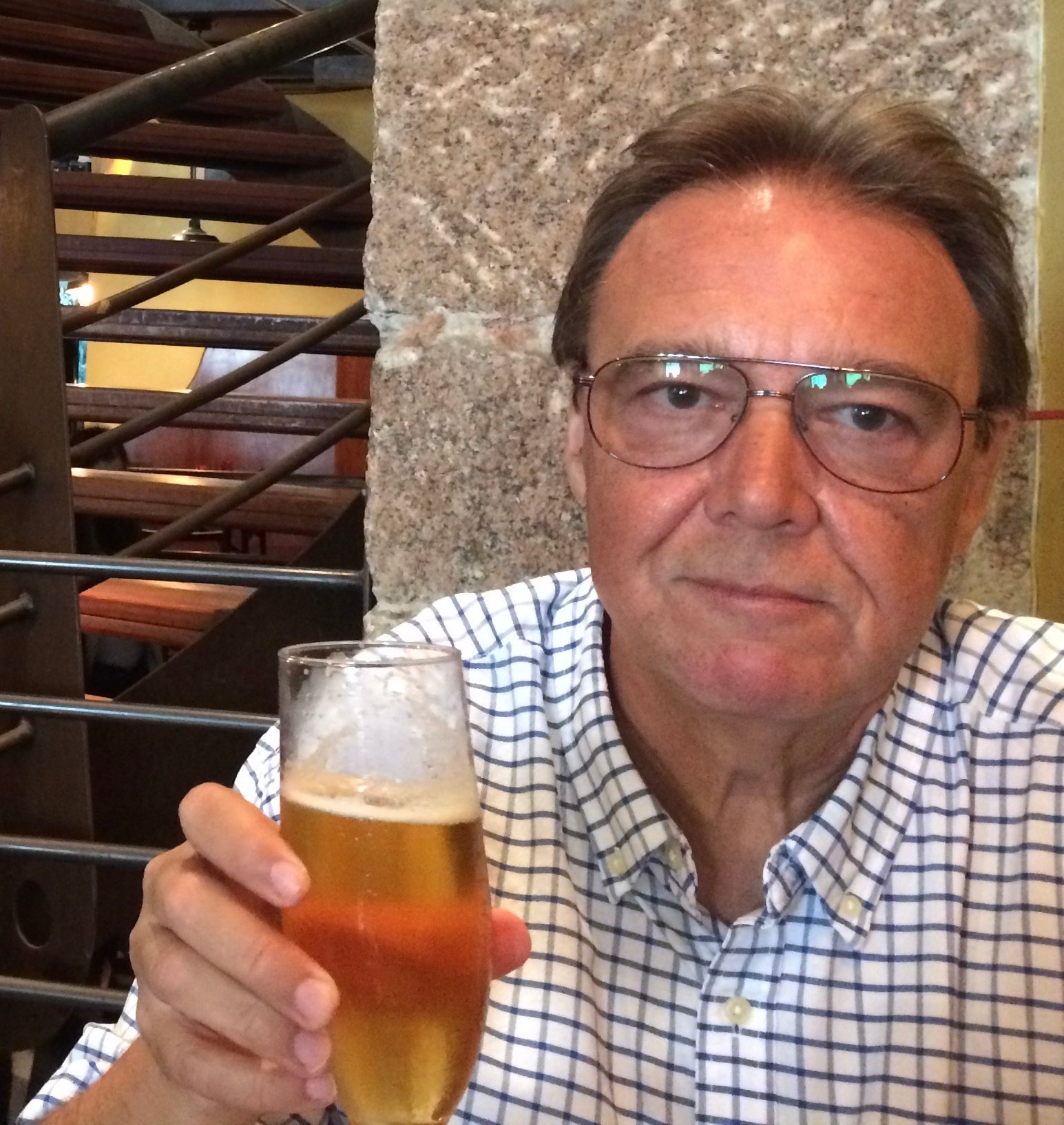
Starting over in another country sounds romantic until you’re living it day to day. In this episode, Rita and I talk with Roy McGinnis and Julie Tallman about what it really takes to move to Pedasí, Panama and start an expat life from scratch. They sold their rental properties, closed down a farm in North Carolina, and decided to “go all in,” with no property back in the States to fall back on. That matters for your head as much as your wallet. When you’re not trying to manage leaks, storms, and repairs from a few thousand miles away, you can actually be where your feet are. (I’ve owned a house or two, and I can tell you that “somebody else is dealing with the water heater” is a bigger relief than it sounds.)
A big theme was how much easier a move abroad gets when you downsize your stuff. Instead of shipping a whole household, Roy and Julie brought the essentials: a couple of guitars, a few tools, and some clothes. They bought just about everything else locally. That cuts shipping costs, customs headaches, and the kind of decision fatigue that sets in around your fortieth box. They also hired local craftspeople to build their beds, wardrobes, and furniture, which does more than fill a house. It plugs you into the local economy and gets you to know the people who live there. If you’re thinking about retiring abroad or living a long-term travel lifestyle, it’s a good reminder that comfort doesn’t have to arrive in a shipping container or sit in a storage unit. (I’m not going to tell you what’s in mine.)
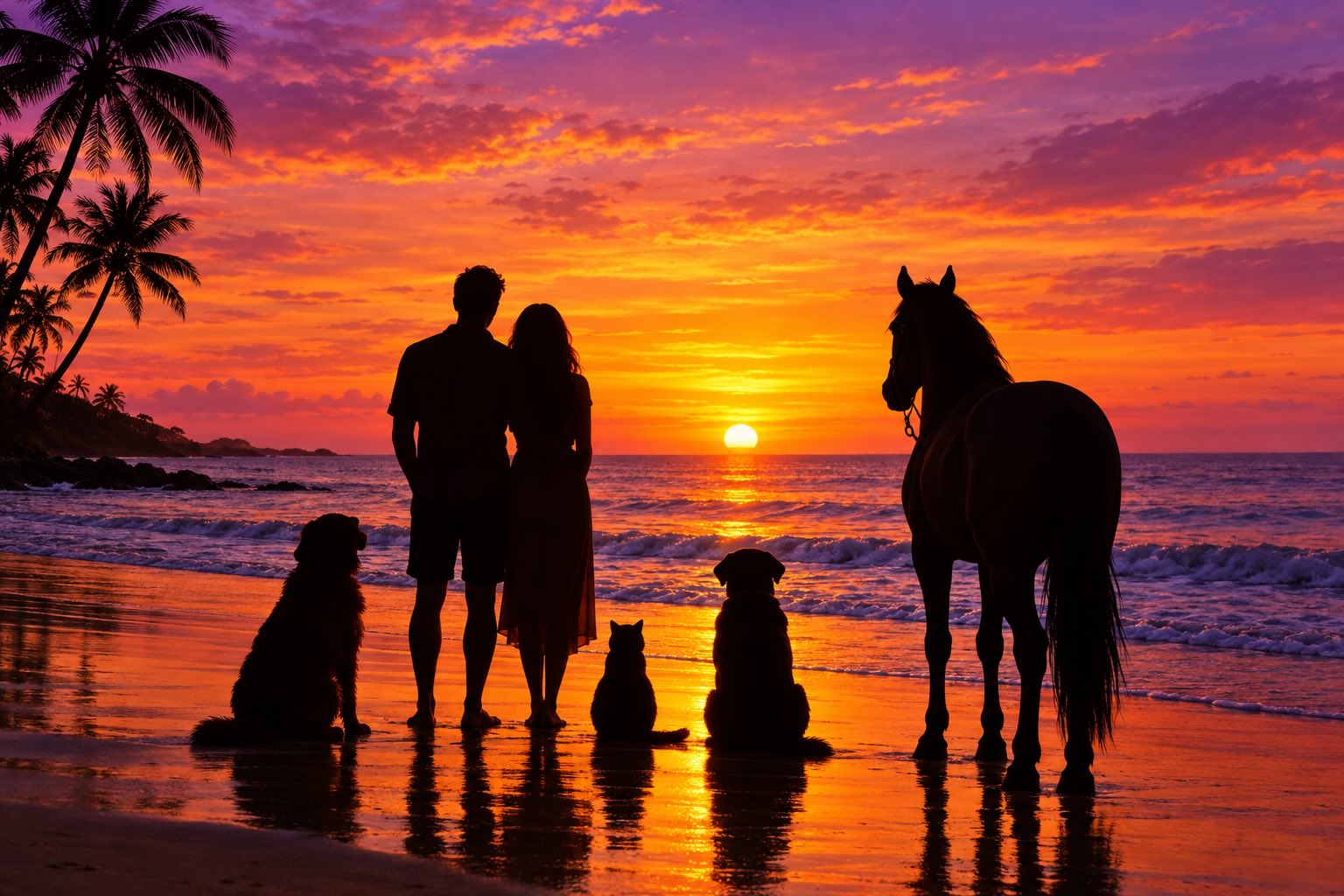
Then there’s the part that makes many would-be expats break out in a sweat: moving the pets. Roy and Julie moved dogs, a cat, and a horse. Yes, a horse. The pet logistics turned out to be the most nerve-wracking part of the entire move. Vet requirements, government paperwork, vaccination timing windows, customs rules, and multi-leg travel add up to a system where one small mistake can cost you two weeks and a complete reset of your documents. They had some good advice for anyone moving animals overseas. Build extra time into your schedule, get every requirement confirmed in writing, and consider a specialty shipper, especially for something complicated like a horse. I’m fairly sure my own ability to fill out a form correctly the first time would not survive this process.
Their first weeks in Panama then took a turn nobody planned for: a major 7.7 earthquake near the Azuero Peninsula. Pedasí itself came through relatively well, but the surrounding towns didn’t. There was severe damage, roads you couldn’t drive on, and families who lost homes that had been in the family for generations and were never built to earthquake standards. Aftershocks kept people sleeping outside during the rainy season, and the recovery looked very different from what most Americans would expect. With limited insurance and thin infrastructure, neighbors and family networks became the real safety net, and rebuilding depended on community labor, donated supplies, and local coordination.
Out of all that came a focus on disaster relief that works, and on where your donations actually end up. Julie connected with Hombres de Acción, a community group that covers its administrative costs through memberships, so donated money goes straight to local needs. Their work runs from emergency shelter to repairs that make homes safe again, plus ongoing projects like potable water in a region where water really is scarce. The bigger takeaway goes beyond Panama. A simpler life can be surprisingly resilient, and learning to live without assuming constant power, endless water, and instant service can change what “enough” feels like. I suspect most of us could stand to recalibrate that a little.
Want to help the relief efforts? https://www.hombresdeaccion.org/
Here’s a video about some of the work Hombres has done in the past: https://youtu.be/3TEcopgEq1g
Listen to the Podcast Now!

Leave a Reply