
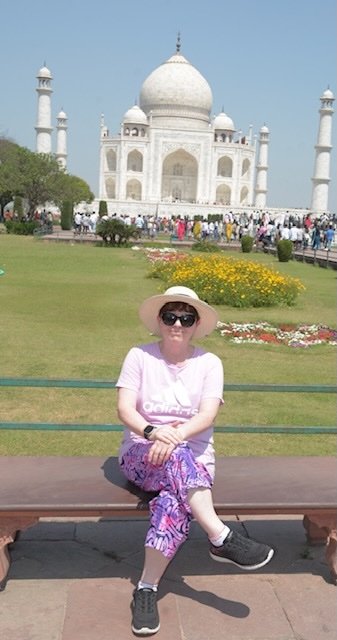
The fastest way to travel more isn’t a bigger paycheck. Believe me, I’ve had a few different paychecks over the years. Some good, some not so much (looking at you, worm farm), and the size of the number was never really the problem. The real trick is having a better system. Travel writer and coach Linda King builds her whole philosophy around one deceptively simple idea: the more money you save on travel, the more you get to travel. Once that clicks, it changes every decision — when you book, where you eat, all of it. Budget travel, done right, isn’t about being cheap or missing out. It’s about spending on the stuff you actually care about and trimming everything else, so your next trip is basically already paid for before you book it.
A lot of the real savings happen before you ever leave the driveway. Linda’s big on research — watching prices, avoiding peak season when you can swing it. One trick I hadn’t thought much about: pay for the big-ticket stuff upfront when there’s a discount or a bundle involved, especially hotels and flights booked well in advance. It locks in your budget too, so you’re not blindsided later by prices that crept up while you weren’t looking. For anyone who likes a little more certainty in their life (raises hand), this turns trip planning into something closer to a checklist as you watch the fares, compare your options, and pull the trigger when the value’s actually there.
Once you’re on the ground, it’s the small stuff that adds up. Free walking tours, a stroll through a local park, museum free days — you can fill a whole day without spending much of anything. Food, on the other hand, is usually where the budget goes to die. Linda’s approach is balance: hit the hotel breakfast buffet, grab something cheap and decent from a supermarket for lunch, then actually spend money on one good dinner you’ll remember. Booking an apartment or an Airbnb with a kitchen helps even more. Breakfast “at home” and leftovers from last night’s dinner stretch a budget further than people expect. None of this means skipping the good meals. It just means being a little smarter about which ones you pay full price for.
Then there’s travel hacking, which comes up fast the second you start thinking further than your next trip. Linda’s points-and-miles advice is refreshingly unfussy: join the loyalty programs you’ll actually use, learn how the partner airlines and hotels connect, and build a strategy around redemptions that are worth something real. She’s also blunt about the two ways people torch their rewards; paying annual fees on cards they don’t use enough to justify, and the big one, carrying a balance. Points only mean anything if you pay the card off in full. Interest charges eat the value of the rewards faster than you can rack them up. And if some company promises to “multiply your points” with a clever shortcut, assume there’s a fee buried in there somewhere and go check for yourself before you believe it.
Technology can help with all of this too, including AI trip planning, but only if you actually use it right. Linda has specific prompts she likes for destination ideas and building out a 7-day itinerary, but her rule is to always double-check what the AI hands you, because chatbots can be confidently, cheerfully wrong in ways that cost real money. She also mentioned something worth remembering: don’t paste anything private, or any of your own original writing you’d rather keep to yourself, into these tools. Good advice, and not just for travel planning.
The conversation wraps up with solo travel, and honestly some of the best advice in the whole episode: start close to home to build your confidence before you go tackle something bigger. Slow down enough to actually experience where you are, instead of just checking it off a list. And leave the place better than you found it — refillable water bottles, being mindful about waste, and just generally respecting the people whose home you’re visiting for a week. Small things, but they add up, same as the money does.
Listen now:

Leave a Reply